Windscreen seal and trim replacement across Sydney
Perished rubber along the top of the windscreen, wind noise that appeared out of nowhere, or water tracking down the inside of a pillar after rain are all seal complaints, and they usually arrive with the assumption that a strip of rubber needs swapping. Sometimes that is exactly right. On most vehicles built in the last thirty years it is only half the story, because the windscreen is bonded to the body with urethane adhesive and the rubber you can see is a trim moulding sitting over the top of that bond rather than doing the sealing itself. Which one has failed decides whether this is a small job or a new windscreen, and we would rather establish that before quoting than after.
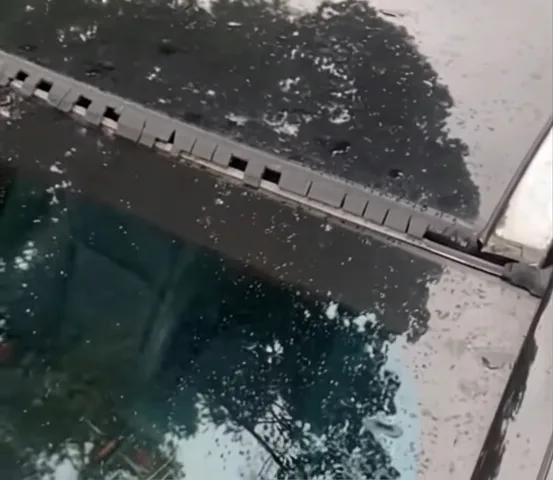
Trim and moulding replacement
On a bonded windscreen the visible rubber around the edge is a moulding. It finishes the join, keeps water running down the outside of the glass rather than pooling in the channel, and protects the urethane underneath from sunlight. Sydney sun perishes it: it goes chalky, shrinks back at the corners, lifts along the top edge and eventually starts flapping at highway speed. Replacing a moulding is a contained job that does not disturb the glass or the bond, and on many vehicles it is a considerably smaller cost than people expect. Where the moulding has lifted and let sunlight at the urethane for a long period, we check the bond underneath before fitting a new one, because a new moulding over a degraded bond hides the problem rather than solving it.
- Perished, shrunken or lifting mouldings
- Glass and bond left undisturbed
- Bond checked where sunlight has reached it
- Availability confirmed for your vehicle before we book
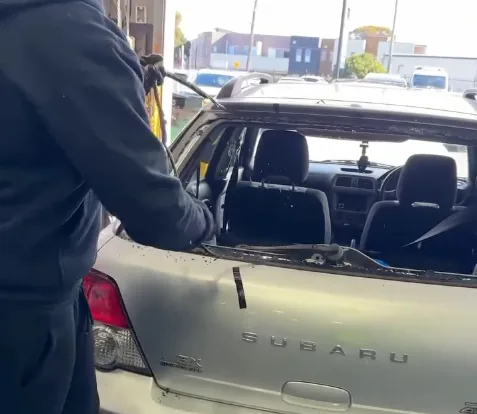
When the glass has to come out, and why it does not go back in
Older vehicles, and some commercial and heavy vehicles still built this way, hold the windscreen in with a rubber gasket that grips both the glass and the body flange rather than with adhesive. On those the seal genuinely is the seal, and it can perish and leak on its own. On a bonded windscreen the equivalent failure is different: if the urethane bead itself has failed, no amount of new trim will stop the leak, and the glass has to come out. In both cases what goes back in is new glass rather than the old pane. That is not an upsell, it is the practical reality of removal: a windscreen that has been bonded or gasket set in place for years will very often crack or shatter while it is being cut out, and finding that out halfway through the job helps nobody. So a failed bond is a windscreen replacement, with the same fitting, the same cure and the same time on site, and it is worth knowing that before you commit rather than after.
- Gasket set glass on older and heavy vehicles
- A failed urethane bond means the glass comes out
- New glass fitted, because the old pane rarely survives removal
- Rust in the pinch weld found and reported before new glass goes in
- Cured before we leave, so the car is ready to drive when we finish
What we check
Trim or bond
Which one has failed decides whether you need new glass or new rubber.
Where the water is actually entering
Water appears a long way from where it gets in, so it is traced rather than assumed.
Wind noise diagnosed
A lifting moulding and a failing bond sound similar from the driver's seat.
Told straight if it is a bigger job
We will not fit new trim over a failed bond and call it fixed.
Get a free quote
Attach a photo of the affected area taken from outside the vehicle, close enough to show the rubber and the gap between the glass and the bodywork. Tell us the make, model and build year, and describe what is actually happening: perished or lifting rubber, wind noise, or water getting in. If it is water, say where it appears inside the vehicle and whether it only happens in heavy rain or in a car wash too, because that narrows the cause considerably.
Service available across every Sydney region
Central and Inner Sydney
Sydney CBD, Circular Quay, The Rocks, Surry Hills, Darlinghurst, Kings Cross, Newtown, Marrickville, Enmore, Alexandria and Waterloo
The East and Northern Beaches
Bondi, Coogee, Maroubra, Manly, Dee Why and Narrabeen
North Shore and Northern Suburbs
Mosman, Chatswood, North Sydney and the Hills District including Baulkham Hills
South and West Sydney
Cronulla, Hurstville, Brighton Le Sands, Parramatta, Penrith, Campbelltown and Camden
Frequently asked questions
Can the windscreen seal be replaced without removing the glass?
It depends what has failed. On most modern vehicles the visible rubber is a trim moulding sitting over a urethane bond, and the moulding can be replaced on its own without disturbing the glass. If the urethane bond underneath has failed, the glass has to come out, and what goes back in is new glass rather than your old windscreen, because an existing pane very often breaks during removal. We establish which of the two it is before quoting.
Water is leaking in around my windscreen. Is the seal the problem?
Not always, and it is worth checking properly rather than assuming. Water entering near the windscreen can come from the bond, from a lifting moulding, from a blocked drain in the plenum below the windscreen, or from the pillar trim above the door. Water also travels a long way inside a vehicle before it appears, so where you see it is often not where it gets in. Tell us where it shows up and in what conditions and it narrows quickly.
My windscreen rubber has gone chalky and is lifting. Is that urgent?
It is worth dealing with rather than leaving. Beyond the appearance, the moulding shields the urethane bond from ultraviolet light, and prolonged exposure degrades the adhesive that holds the windscreen in. It can also start to lift at highway speed. Left long enough, a small moulding job becomes a new windscreen.
Why does my car whistle at highway speed since the windscreen was done?
Usually a moulding that has not seated fully, and it is worth going back to whoever fitted it. A whistle can also come from a bond that did not seal completely along one edge, which is a more serious matter because the bond is structural. Either way it should be investigated rather than lived with, since the two sound very similar from the driver's seat.
Is a seal job cheaper than a new windscreen?
A moulding replacement is much the smaller of the two, and a failed bond is not a seal job at all: it is a windscreen replacement, because the glass has to come out and new glass goes back in. That is the whole reason we ask for a photo and a few questions before quoting, since the same complaint from the driver's seat can be either one. Ring us with the make, model and build year and a description of what is happening and we will tell you which you are looking at.
Ready to get started?
Get a fast, free quote, or call now and speak to someone who can help.